
Healthy Streets
Making Cities Safe
A healthy street is measured by more than vehicle counts. The Healthy Streets approach — and the goal of eliminating death and serious injury on the roads — needs evidence about people, air and safety, not just traffic. NOW Wireless measures the things that make a street healthy or unhealthy in real time, and connects that evidence directly to action.
People
Count people, not just cars
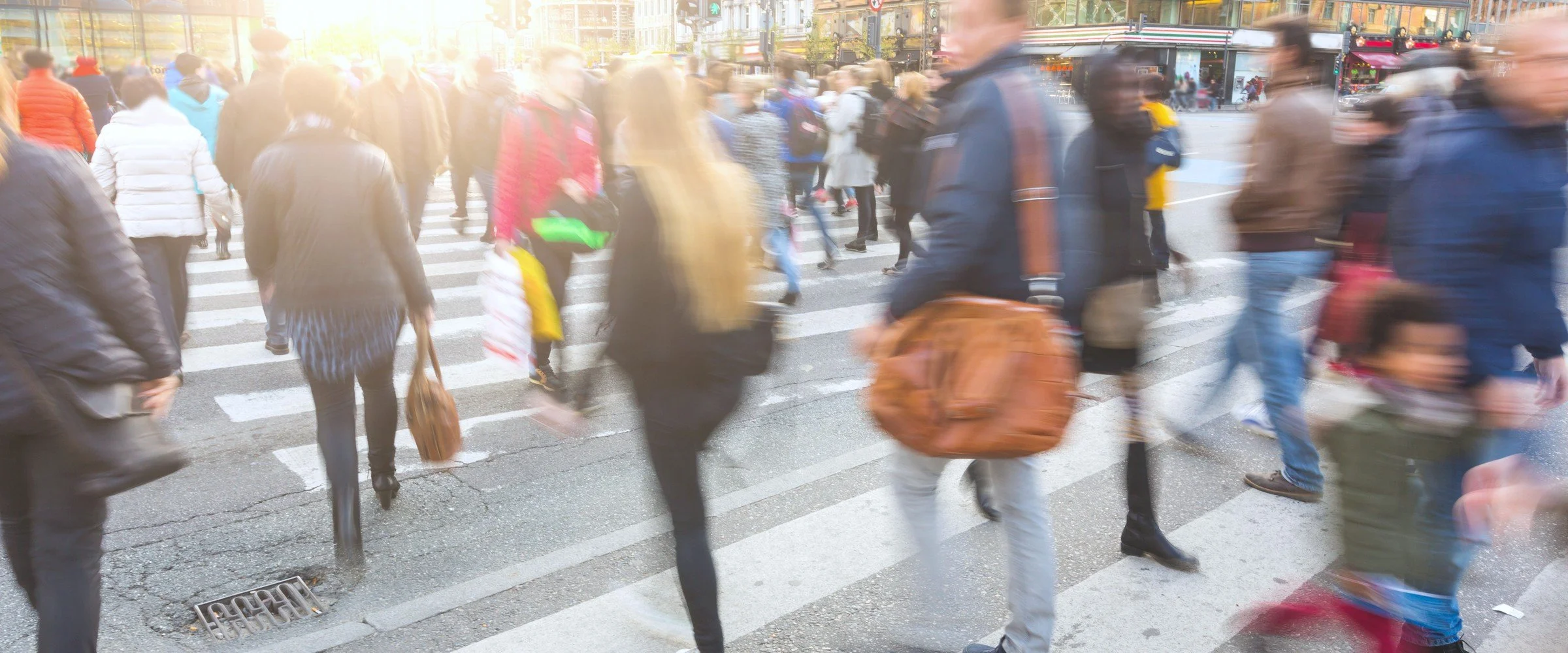
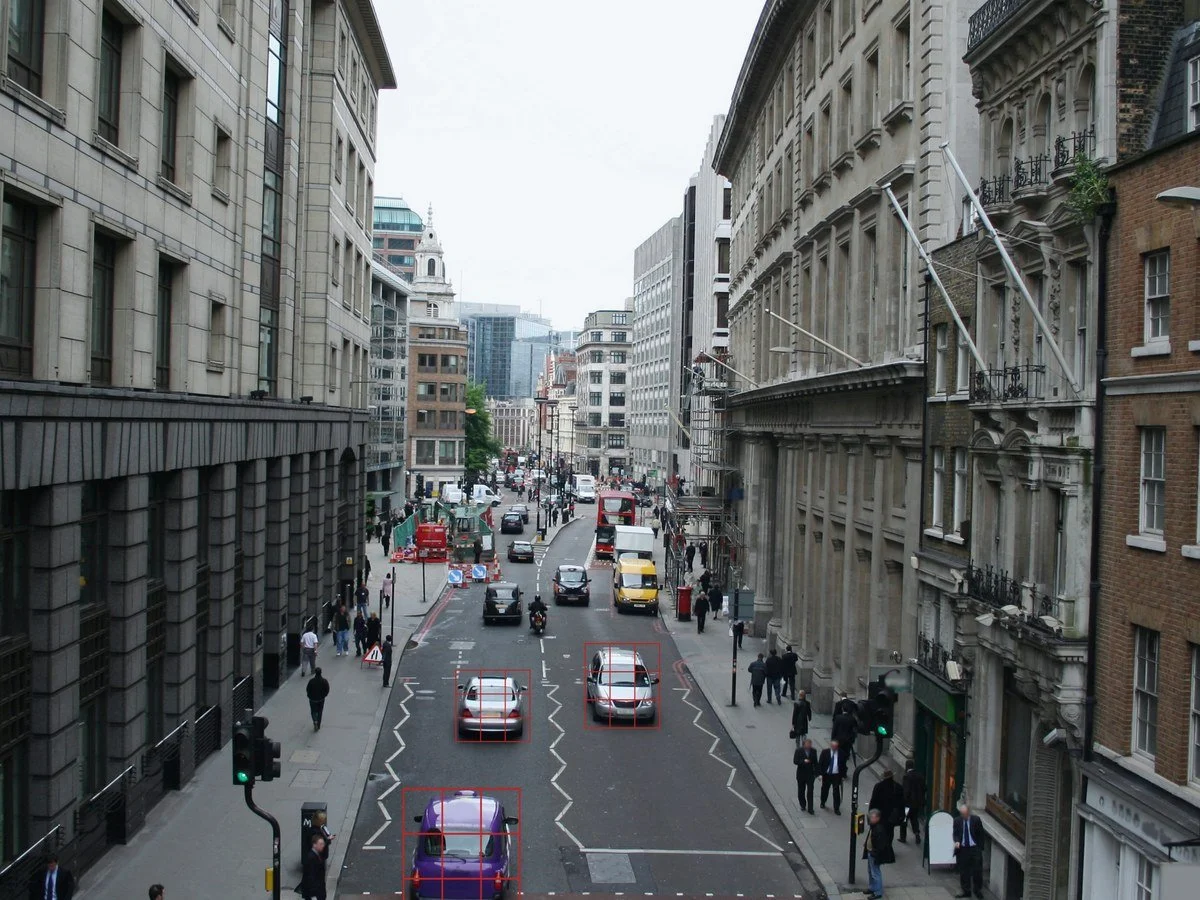
Using AI video analytics on standard cameras, the system counts and classifies pedestrians, cyclists and (where conditions allow) e‑scooters — alongside vehicles. It captures crossing use, desire lines, island occupancy and junction movements, with no road works required.
Air quality
Real‑time air quality, built for traffic
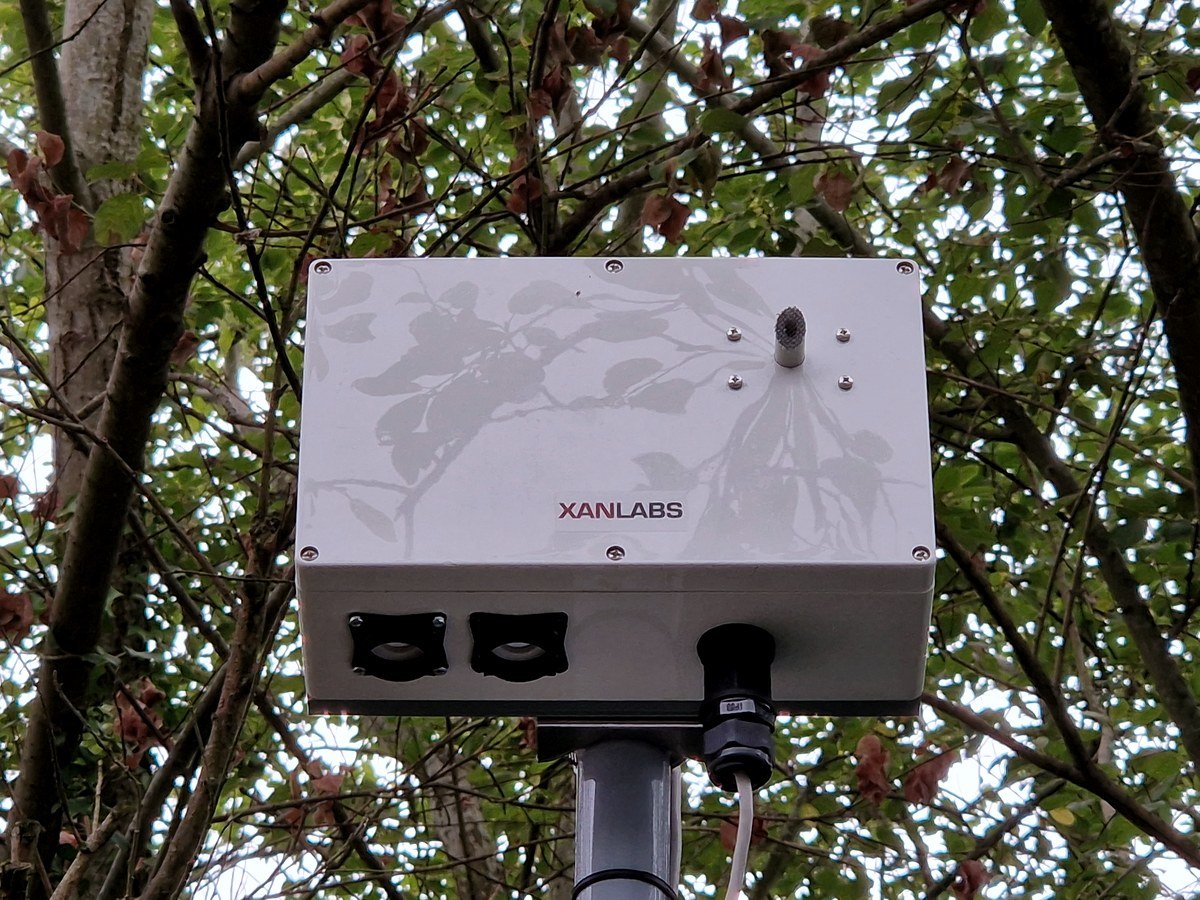
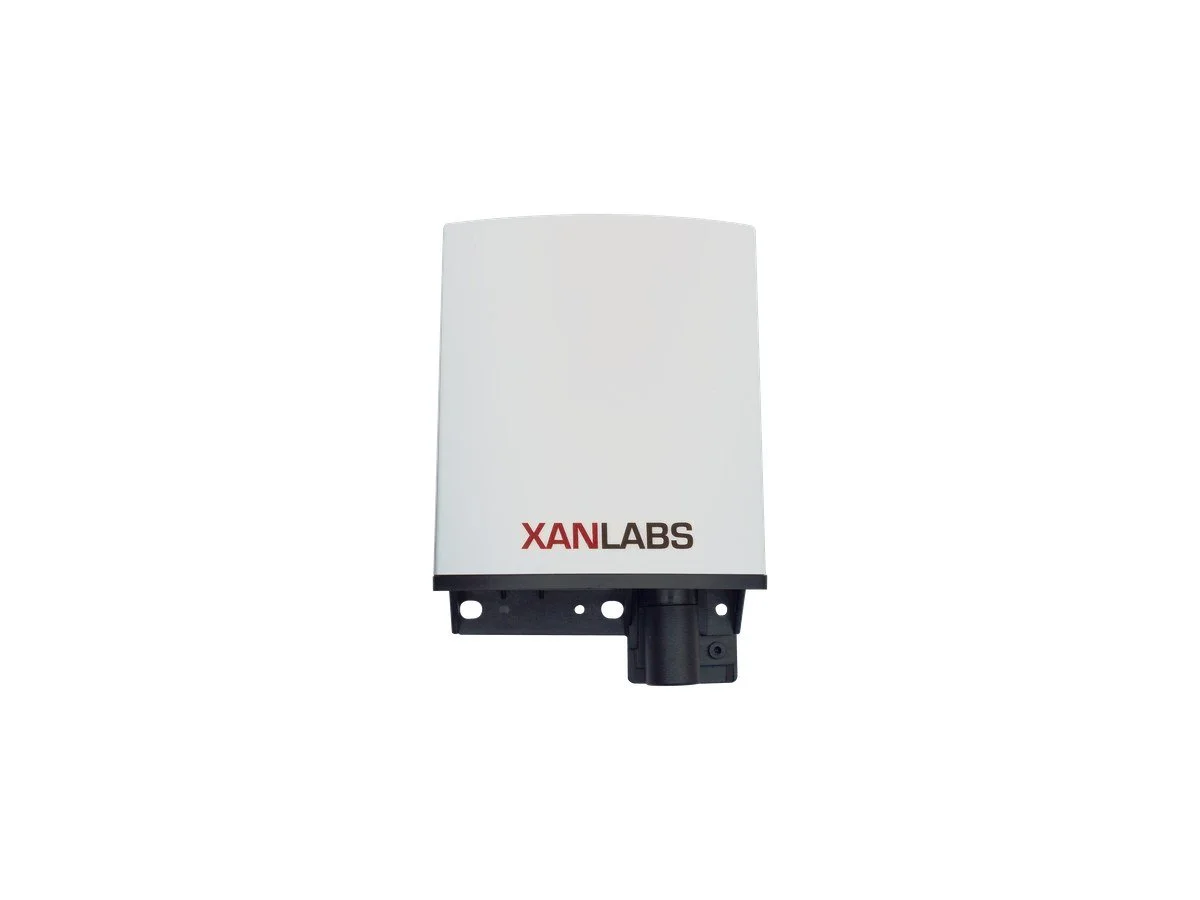
Our sensors monitor nitrogen dioxide (NO₂), particulate matter (PM), and a wider set of gases — carbon monoxide, carbon dioxide, nitric oxide, sulphur dioxide and ozone — plus temperature, humidity and pressure. A laser particle counter sizes particles from 0.8 to 50 microns, sampling fast enough to trace pollution to passing traffic in real time.
Prediction
One hour ahead
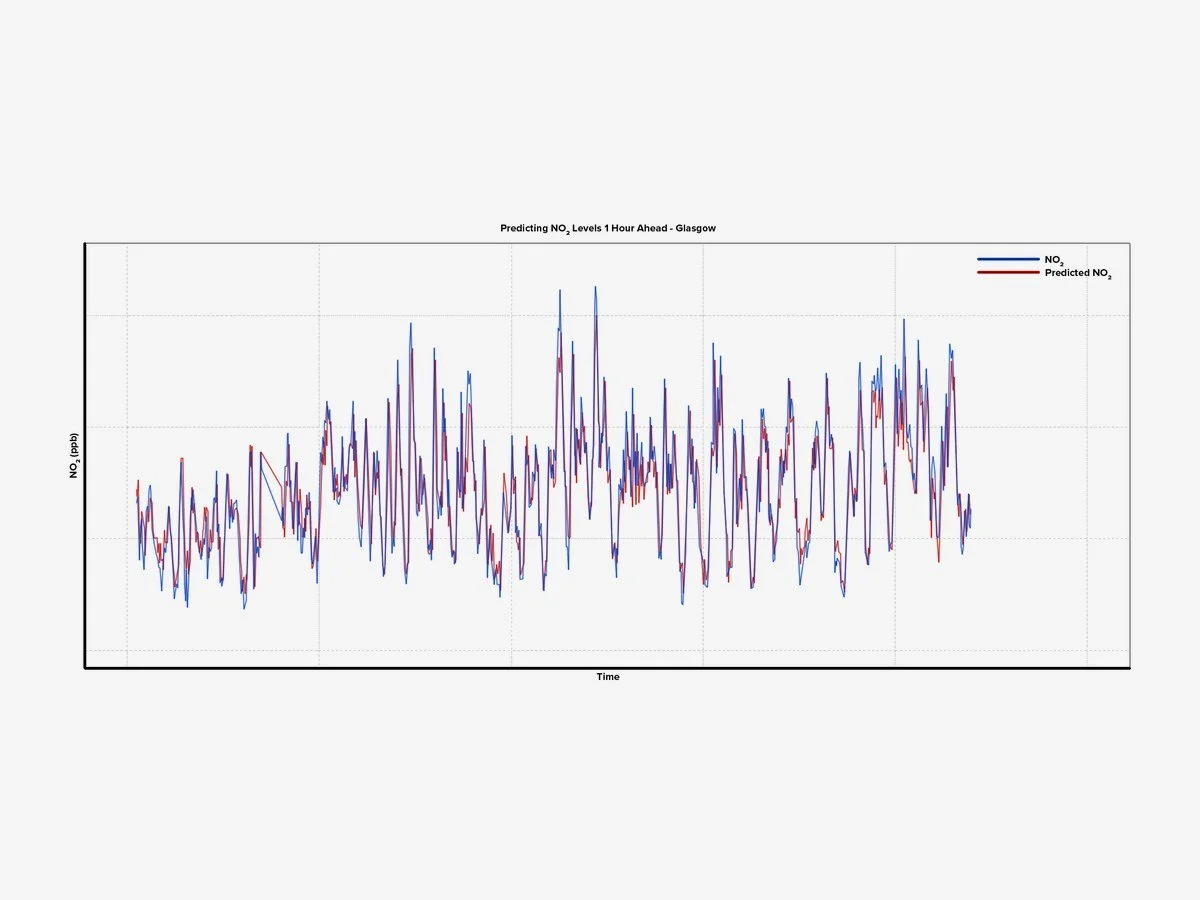
The sensors don't just report current air quality — onboard AI predicts it an hour ahead, building a continuously updated pollution profile from sensor, weather and historical data. Operators can act before an exceedance, not after.
Reliability
Sensors that last for years
Industry standard is to replace electrochemical sensors approximately every six months because of drift. Our AI auto‑calibration compensates for that drift in software, drawing on years of sensor data from a wide radius. In the field, our sensors have run for over eight years, supported by an approximately five‑year chemical half‑life. The only routine maintenance is cleaning the particle sensor approximately every two years, depending on local pollution levels.
Action
Turn evidence into cleaner air
Because air quality data connects directly to traffic control through UTMC (Urban Traffic Management and Control), the system can act — predictive gating or green‑wave sequencing to ease a building exceedance. In one council deployment, gating reduced roadside NO₂ by 10 parts per billion at peak times with no measurable journey‑time penalty.

Evaluation
Prove a scheme worked
The same network evaluates interventions: Low Traffic Neighbourhoods, School Streets, bus corridors, junction changes and active‑travel investment. Roadworks, closures, events and weather are tagged automatically, so before/after comparisons reflect real change rather than noise.
Transparency
Open and transparent
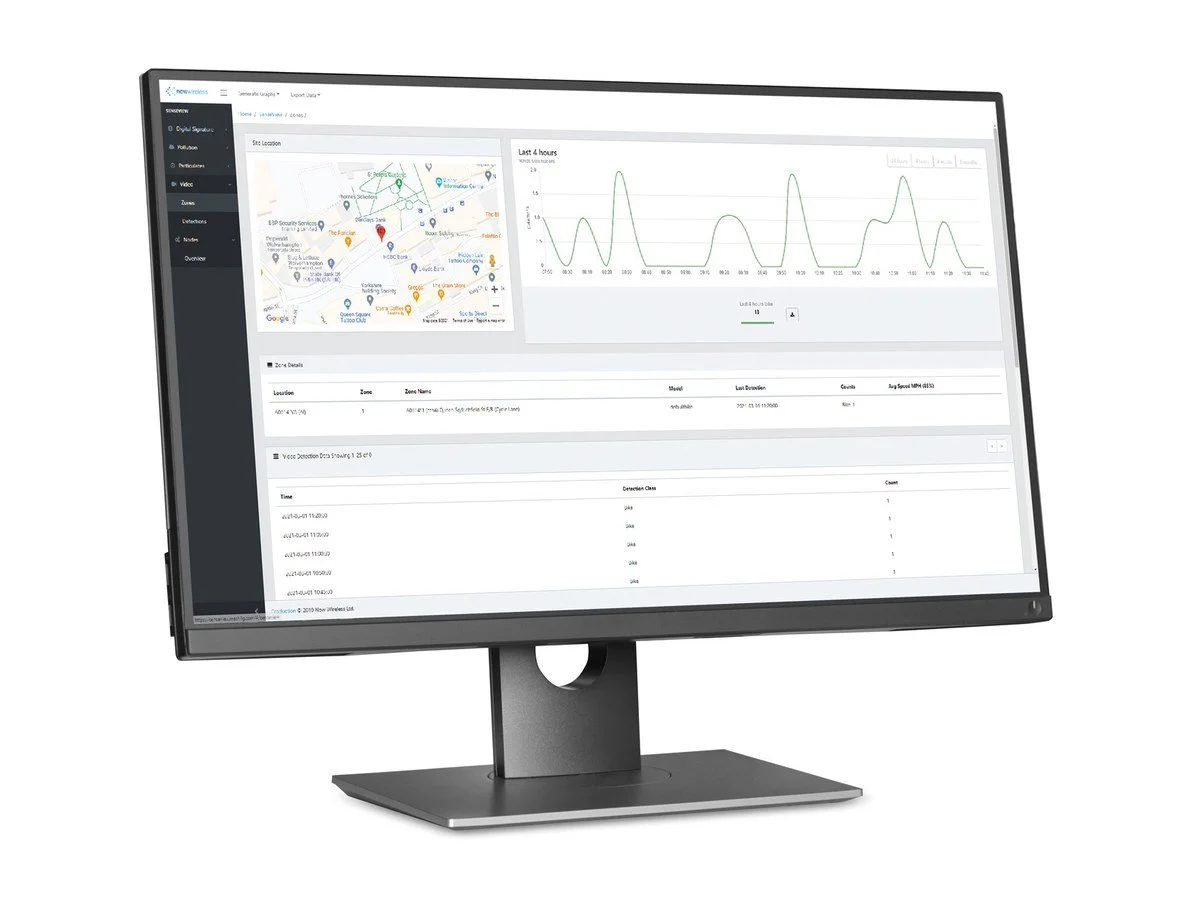
Selected, anonymised indicators can be published to public dashboards or as open data, helping build public trust in a scheme's impact on air quality and active travel.
Build the evidence for healthier streets
Featured by Crown Commercial Services · Manufactured in the United Kingdom