

Wireless
Wireless Engineering
NOW Wireless is, first and foremost, a wireless engineering company. For over 20 years we have designed and built our own radio technology in the UK — software-defined radios, detectors, traffic systems and messaging — rather than reselling other people’s. That depth is why authorities bring us the connections standard kit can’t make: we engineer wireless around the problem, then tie it into SenseView.
Wireless engineered in-house
We design and manufacture our own wireless technology in the UK. That engineering depth lets us tailor a solution to a site rather than force the site to fit an off-the-shelf product — and it’s why we’re trusted with the links other suppliers can’t deliver. It runs right down to the physical layer: we design our own antennas, tuned to the site and the frequency, so a link performs where a generic antenna wouldn’t.
Software-defined radios
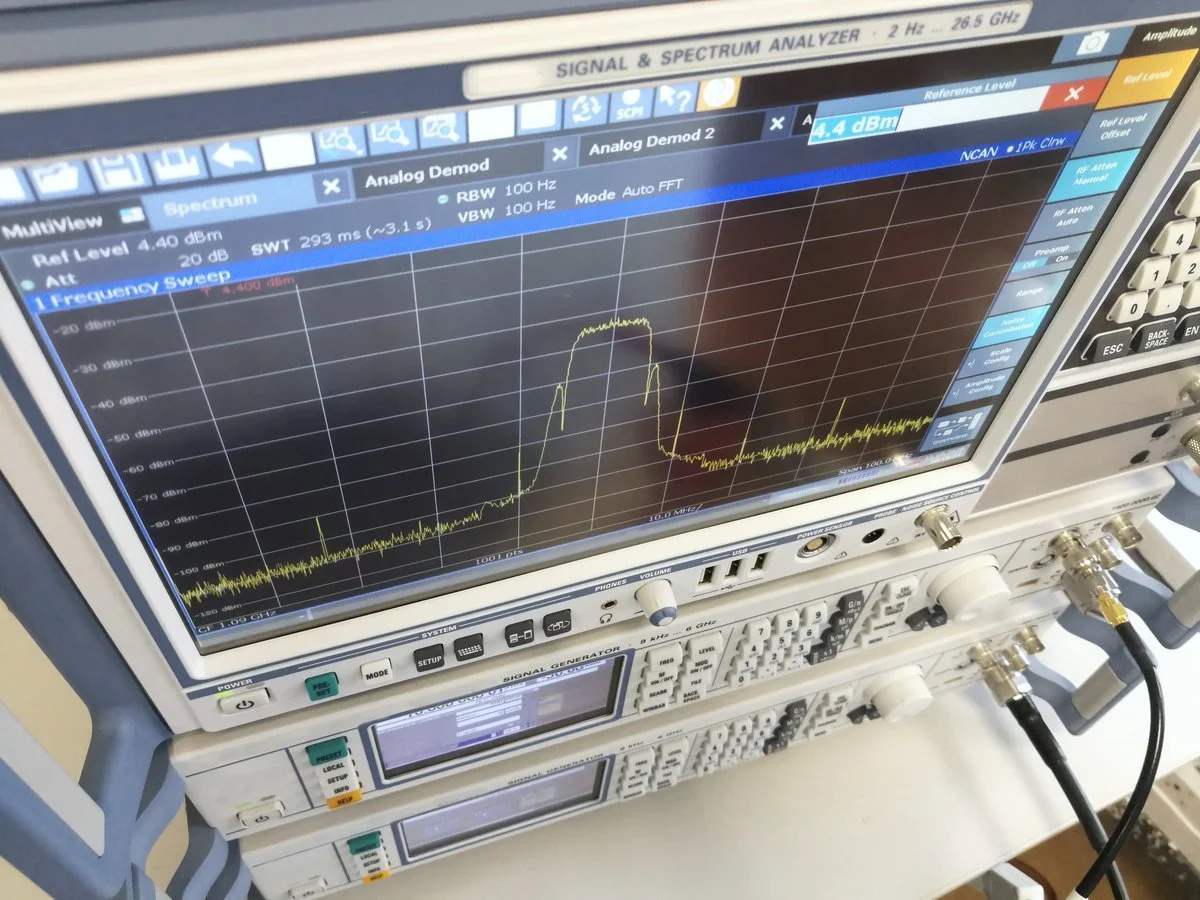
Our software radios are defined in software rather than fixed in hardware, so one platform can run different protocols, adapt to new requirements and be updated in the field. Flexibility and future-proofing are built into the radio itself.
Custom projects and products
Much of our work is bespoke. Where a project needs a wireless product that doesn’t yet exist, we build it — from a one-off custom link to a whole product line designed around a specific authority’s requirements.
The right radio for the job
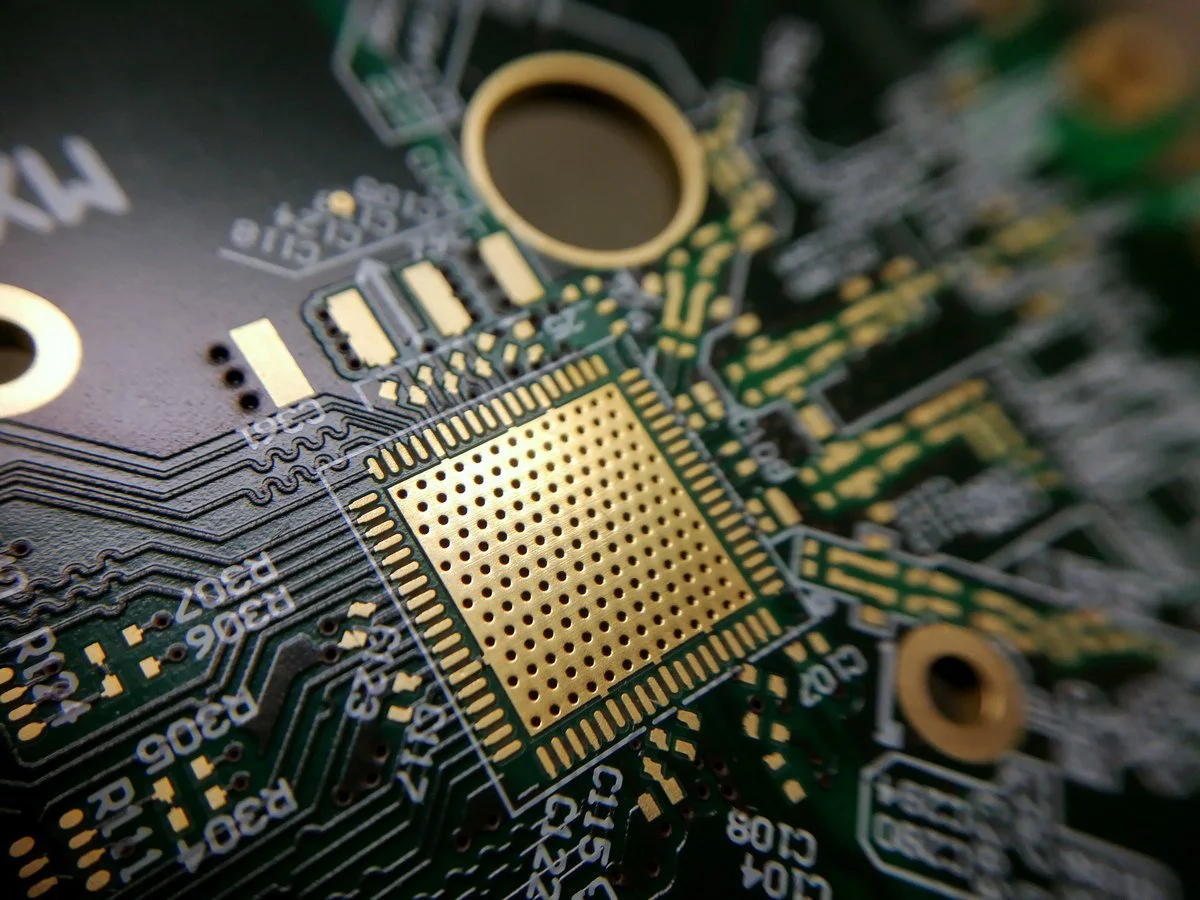
Different jobs need different radios, so we work right across the spectrum — analogue and digital, licensed and unlicensed, short-range to long-range. At the access layer, Wi-Fi and Bluetooth detect devices for anonymous journey-time monitoring, while LoRa (Long Range) carries low-power sensor data over kilometres. Global Positioning System (GPS) adds location information where a job needs it, and lets us monitor the status of the GPS signal itself. We choose the radio the job needs, not the one an off-the-shelf product happens to ship with.

Backhaul: TDMA, microwave, cellular and satellite
A cluster is only useful once its data reaches the central system — and not every site has fibre. For the backhaul itself we use our own TDMA (Time Division Multiple Access) radio links: every node gets a guaranteed time slot, so the link stays reliable and collision-free across a busy network. Alongside it we run high-capacity microwave point-to-point links to span distance without digging a trench, and 4G and 5G mobile networks where public cellular is the best fit. For sites beyond the reach of fibre and cellular, we’re currently evaluating low-earth-orbit satellite, including Starlink. The right link for the site, never a single fixed option.
Electronic detectors
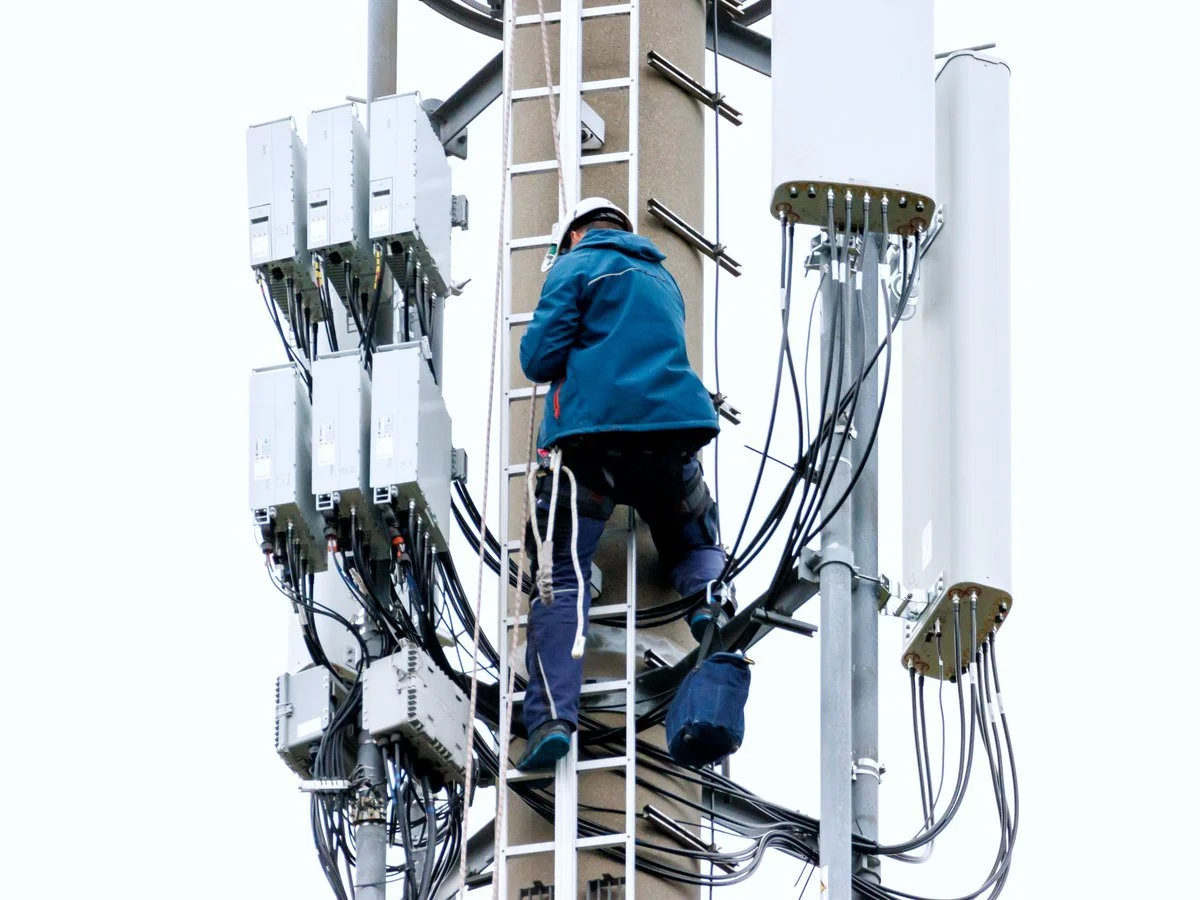
We design the detectors as well as the network — electronic detection for traffic, presence and movement that feeds straight into the system, replacing or complementing traditional in-road equipment.

Traffic light systems
The signal is the heart of a smart junction. We supply traffic light systems and the wireless that connects them — replacing in-road loops with detection and interfacing to controllers from Yunex and Swarco through UTMC (Urban Traffic Management and Control).

Smart clusters
A smart cluster is a self-contained local network — the radios, detectors, cameras and signals around a junction or area, working together as one unit. Each cluster stands on its own; join them together and you have a citywide system (see Wireless Mesh).

Mobile and private messaging
Where a fixed link isn’t right, our mobile solutions connect over 5G, and our own message-server technology delivers SMS and MMS messaging — including driver messaging for route and travel advice — across secure, private networks.

Wireless engineered around your problem
Talk to us about the wireless link standard kit can’t make — designed, built and supported in the UK, and tied straight into SenseView.
Approved supplier under the UK Crown Commercial Services framework · Manufactured in the United Kingdom.