
Solutions
AI on Your Existing Cameras
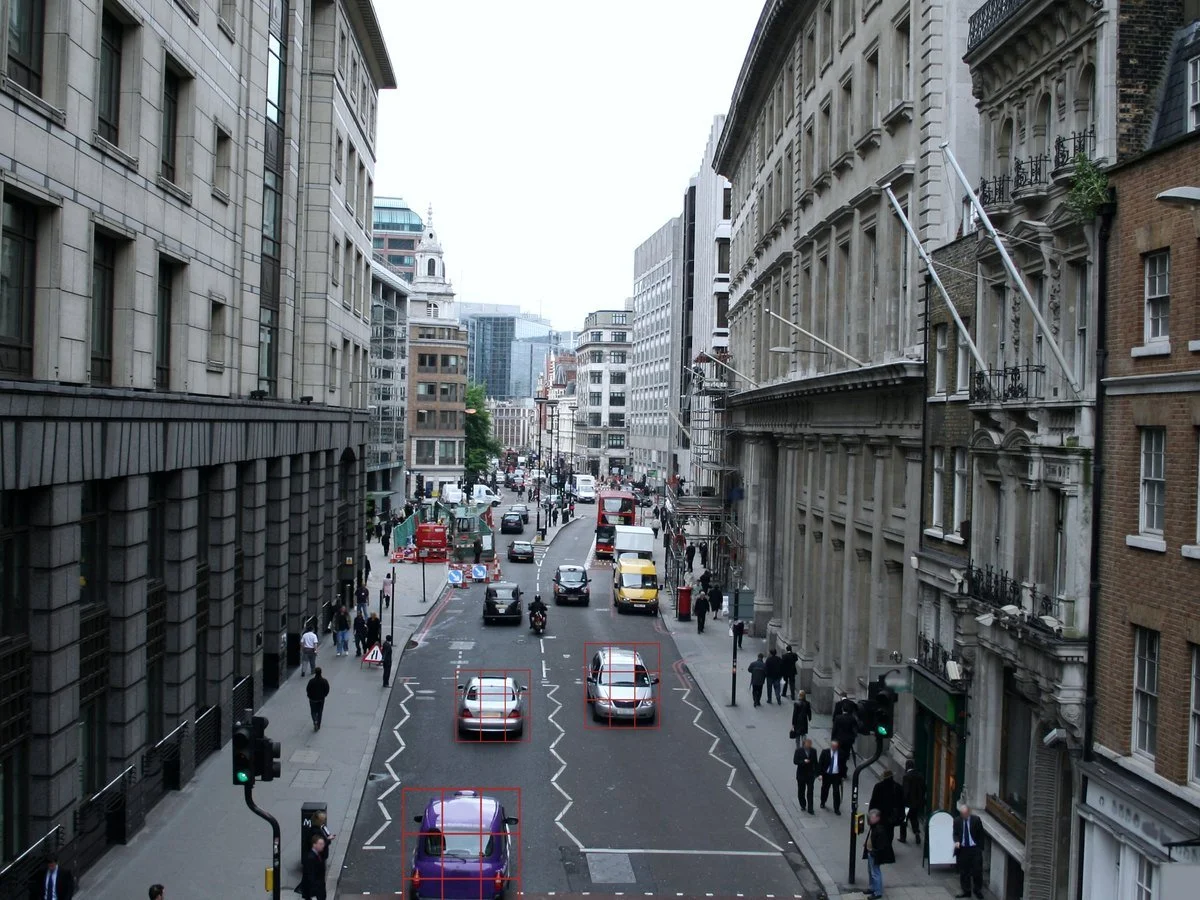
ANPR, incident detection and counting from the cameras already on the street — even where the only connection is 4G and 5G. An AI unit beside the camera watches every frame locally, stores what matters on the street, and sends only alerts, clips and the streams an operator asks for.
The problem we solve
Cameras on mobile links cannot be watched all the time
Many town‑centre, car‑park and rural cameras are connected over 4G and 5G because fibre never reached them. A continuous full‑resolution stream from each would exhaust an affordable data allowance in days, so they are watched rarely, recorded locally if at all, and nobody sees the incident until afterwards. Putting the AI on the street turns those cameras into detectors that call for attention only when there is something to see.
Camera counts per link, retention and alert types depend on camera resolution, scene and the mobile coverage at each site, and are configured per deployment.
AI on the street
Watch every frame locally, send only what matters
A compact AI unit is fitted beside the camera — in a small street box or inside NOW Wireless’s pole‑mount enclosure on the CCTV column — and takes the camera’s full‑resolution stream over the local network. It runs the same NOW Wireless AI used across our traffic and police work, so nothing leaves the street unless the AI, a rule or an operator says so.
- Stopped and slow traffic, queues forming, and incident detection in a drawn area of interest
- Automatic Number Plate Recognition (ANPR) with vehicle‑of‑interest and ghost‑plate alerts
- Counting and classification of vehicles, people and cycles
- Alerts carry a still and a short clip, so the operator sees the event, not just a message
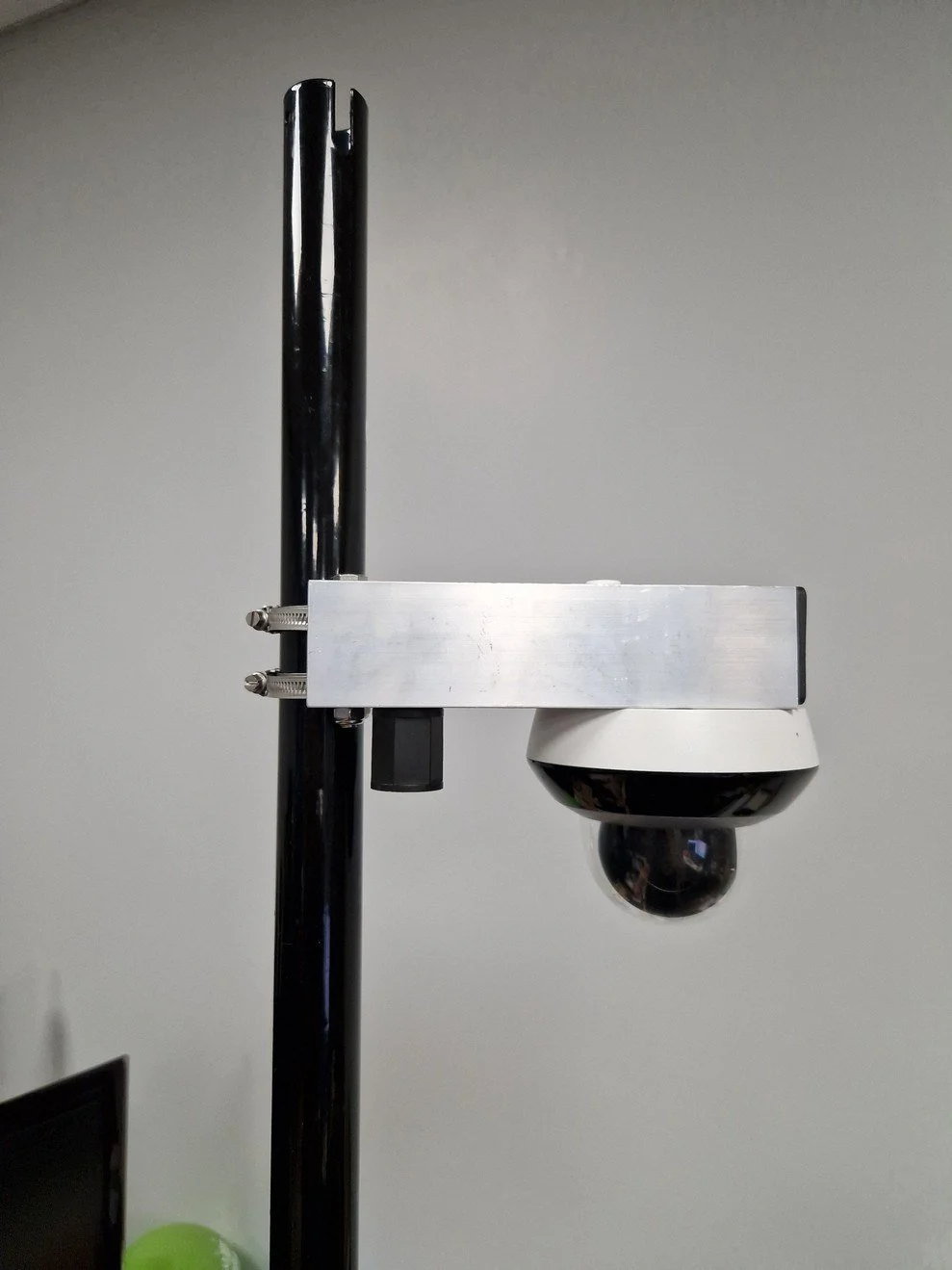
The existing camera stays; the AI unit and recorder go in the enclosure on the same column.
Bandwidth switching
Several cameras on one mobile link
A cluster of cameras shares a single 4G and 5G connection. In the normal state each camera sends only a low frame‑rate, reduced‑resolution picture — enough for an operator to see the scene is live, at a few kilobits a second. When the AI detects something, it switches that camera to a full‑resolution stream by rule, holds it while the event lasts, and drops back when it clears. Operators can also request any stream at any time.
- Four stream states per camera: off, preview, full resolution on detection, full resolution on request
- The AI manages the link so there is always bandwidth left to control the unit and pull footage
- Day‑to‑day data use stays well inside the range where mobile data is cheap — around 500 GB a month is where low‑cost mobile data ends, and a well‑configured cluster stays far below it
- If the link drops, detection and recording carry on locally and alerts are sent when it returns
Four cameras, one link: previews most of the time, full resolution only for the camera that has something to show.
Local storage
Three layers of storage on the street
Because the link is too small to stream everything, the footage is kept where it is captured and fetched when it is needed. Three layers work together, each reachable from the control room over the same 4G and 5G connection.
- In the camera — an SD card of 256 GB to 1 TB holds roughly a day or two of continuous recording, read remotely when an operator wants the wider context around a clip
- On the column — a compact network video recorder (NVR) with a standard drive, SSD preferred and any size, in a street box or inside the pole‑mount enclosure, keeps days to weeks of footage for a whole cluster
- In the AI unit — stills and short clips around every detection, plus ANPR captures, are kept and sent with the alert
Main system storage in the control room or cloud is covered on the CCTV Infrastructure page.
Camera SD card, on‑street recorder and the AI unit’s own clips — footage stays on the street until it is asked for.
Street, control room or cloud
The same AI, wherever the cameras can reach
The AI on the street is for cameras on mobile links. Where cameras already arrive in the control room over fibre or a wireless link, the same AI runs on a server there and watches many cameras at once with nothing added on the street. Where a customer prefers not to run servers, it runs in the cloud over a secure connection. Most estates use a mix, and every option feeds the same alerts, dashboards and reports.
- Alerts to operators, to Urban Traffic Control (UTC) and to the cloud
- Works with the existing video management system and video wall
- Scales from a single pole to a whole estate
Street for mobile‑connected cameras, control room or cloud for the rest — chosen per camera.
In the control room
Fewer screens to stare at, more incidents caught
Operators see a wall of live previews and a queue of AI alerts, each with its clip. Clicking an alert brings that camera up at full resolution; the surrounding footage can be pulled from the on‑street recorder or the camera’s SD card without anyone visiting the site. Nothing changes about how the control room works — the AI just tells it where to look first.
- Alert queue with still, clip and location for every event
- One click to a full‑resolution stream from any camera
- Remote retrieval of recorded footage for evidence
- Events logged for later analysis and reporting
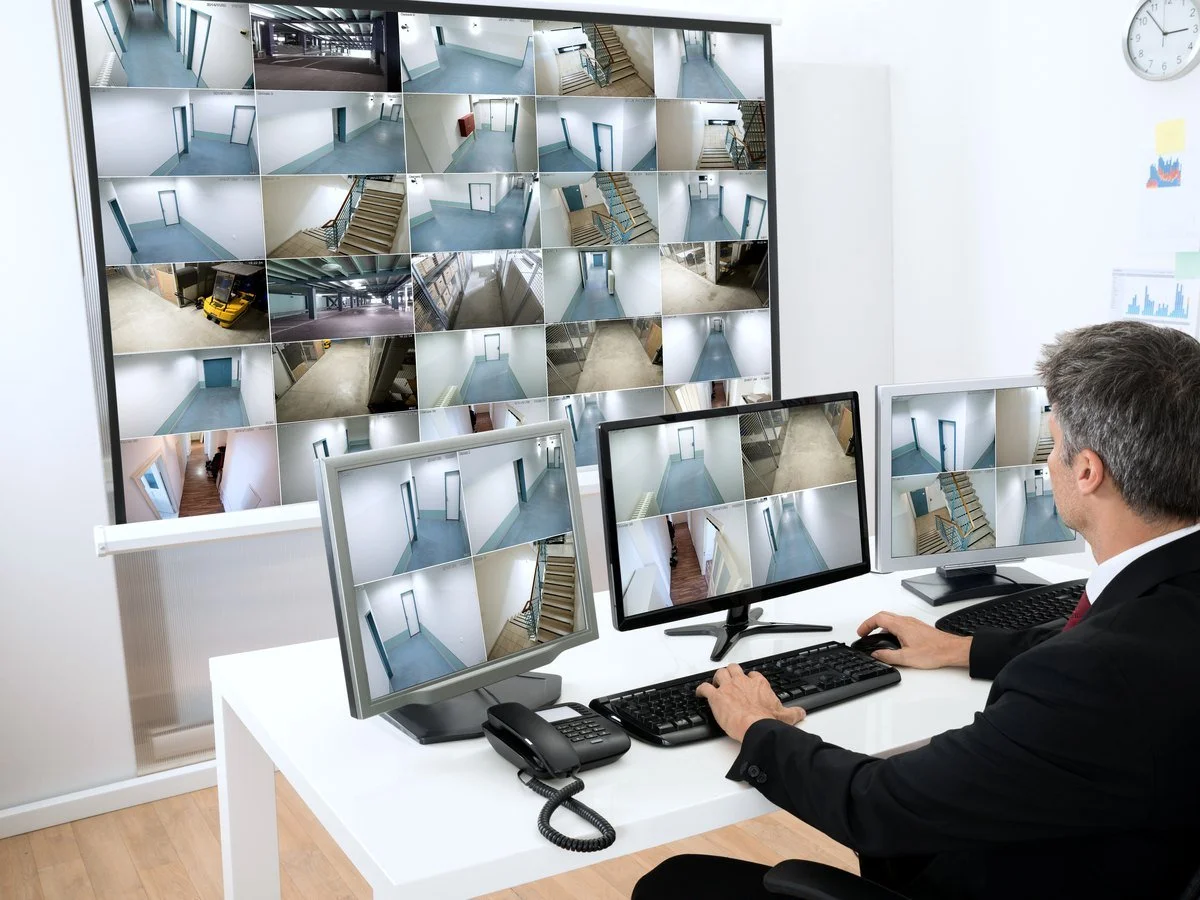
The AI watches the cameras nobody has time to watch.
What it suits
Built for the cameras fibre never reached
Town centres and car parks
Cameras on 4G and 5G that are rarely watched live. Incident alerts and ANPR with the cameras already there, no new circuits.
Rural and temporary sites
Roadworks, events and isolated junctions where a wired connection is impossible and a mobile data bill has to stay predictable.
Existing control rooms
A step up for any estate: the same AI runs centrally on the cameras already arriving, and on the street for the ones that are not.
Get in touch
Start with the cameras you already have
Talk to our engineers about a trial on a cluster of your mobile‑connected cameras — we fit the AI unit and recorder, you keep the cameras.