
Products · Bluetooth & ANPR detection
Journey time and vehicle detection
Bluetooth and Wi‑Fi detectors and AI number plate recognition that turn passing traffic into journey times, routes and vehicle information — without identifying anyone.
What it is
Know how long every journey takes, and where it starts and ends
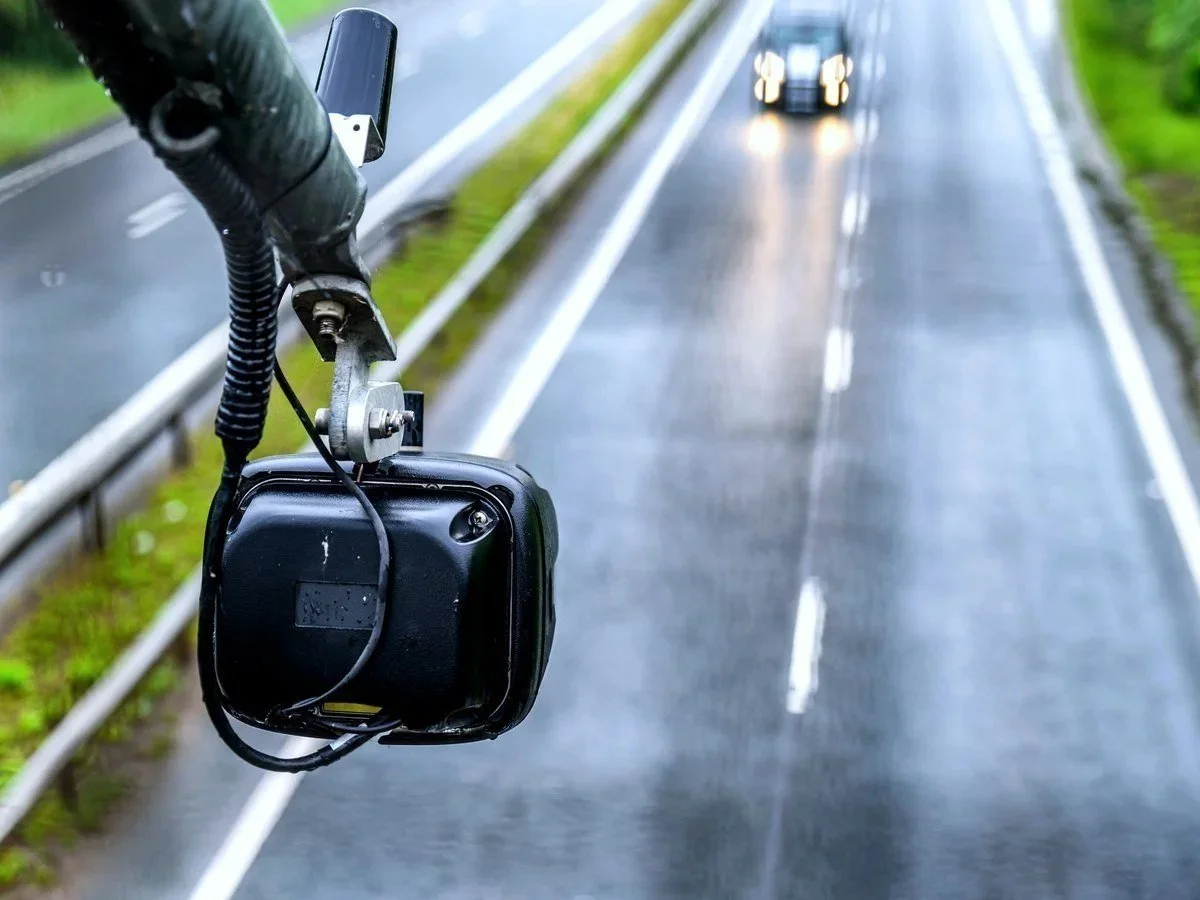
The BT Series detectors listen passively for the Bluetooth and Wi‑Fi signals that cars, phones and headphones already emit. Each signal is hashed the moment it is heard, then matched between detectors to give journey times on every route between them, origin‑destination patterns and the routes people actually take.
AI ANPR (automatic number plate recognition) is the second detection product: software that reads plates on standard CCTV or existing ANPR cameras and, where authorised, looks the vehicle up in national vehicle records for its class, emissions band and status. Both feed SenseView and the signal system through UTC and UTMC interfaces.
Why councils choose it
The input that makes everything else measurable
Up to ten times more detections
A multi‑radio design developed with a leading university sees far more devices than conventional detectors.
Every mode of travel
Pedestrians, cyclists, e‑scooters and vehicles, with detection at motorway speeds.
Privacy by design
Identifiers are hashed and salted before storage; the council sets the retention policy and SenseView enforces it.
Proves a change worked
Journey time before and after a signal change, a scheme or a gating plan — the figure councils are asked for.
AI ANPR
Number plate, classification and emissions from any camera
AI ANPR is software, separate from any recognition built into a camera. It runs on the roadside AI unit, in the control room or in the cloud; on older ANPR cameras it improves performance, and where dual collection is required it provides the second read. Target: up to 99% of readable plates.
- Low emission zones and road‑user charging
- Journey time and vehicle tracking across the city
- Ghost and clone plate alerts for the police
- Parking: arrival, departure and overstay
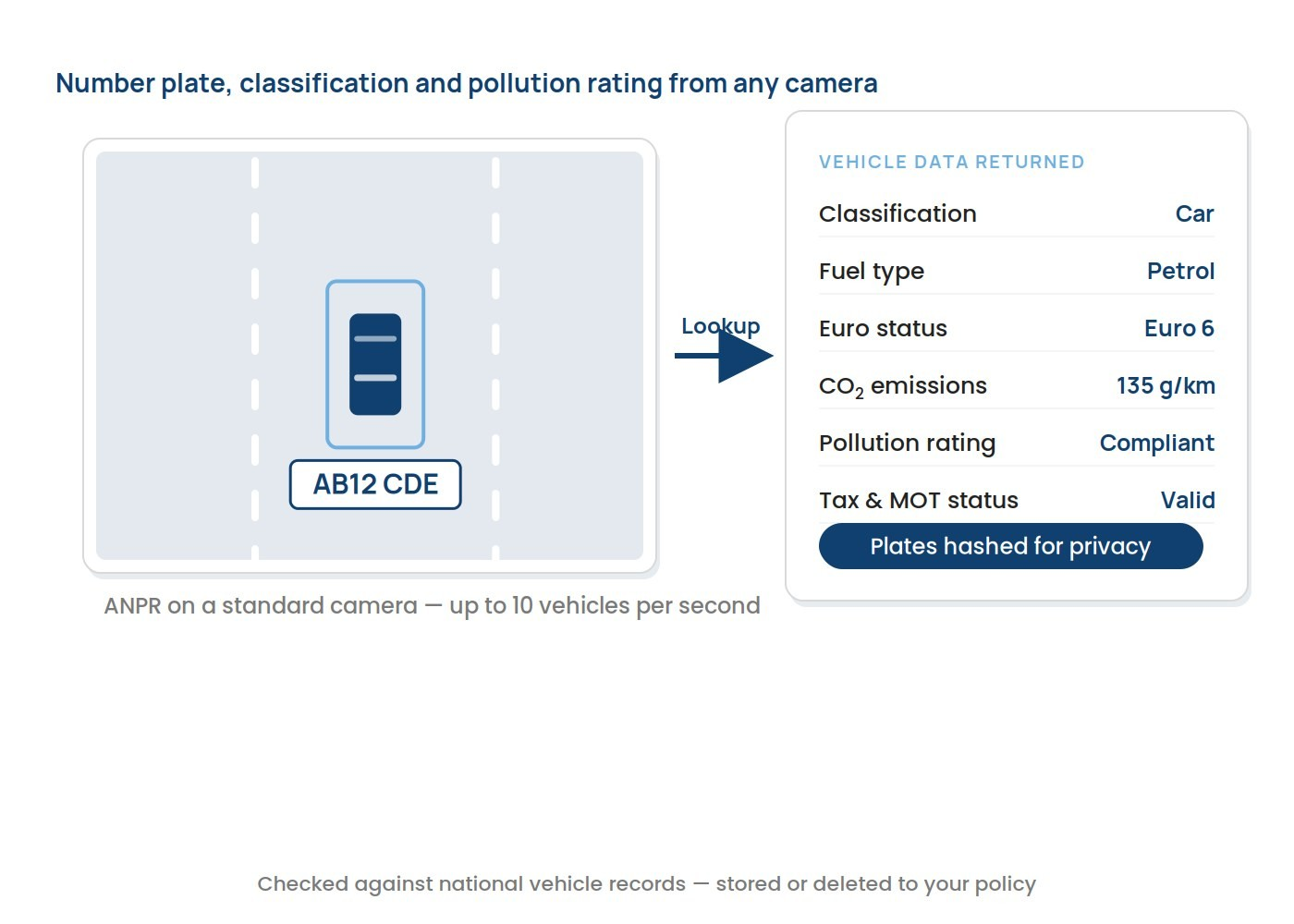
A plate read on a standard camera, checked against national vehicle records — stored or deleted to the council’s policy.
The range
What is in the family
Detectors on the street, software in SenseView.
| Product | What it does | Where it goes |
|---|---|---|
| BT Series detectors (BT1, BT2, BT3) | Single, dual and triple‑radio Bluetooth detectors; the triple adds an active beacon option | Pole or wall, passive PoE |
| WT3 Wi‑Fi tracker | Multi‑radio 2.4 GHz and 5 GHz Wi‑Fi detection | Where phones are the signal |
| Bluetooth beacon | Communicates with buses, ambulances and equipped vehicles for priority | Bus routes, corridors |
| SenseView Dynamic Journey Time | Calculates and displays journey times for any number of routes; UTMC feed | Control room or cloud |
| AI ANPR | Plate reading on standard or ANPR cameras with national‑records lookup | Roadside unit, control room or cloud |
Full specifications, interfaces and options are in the product brochure, available on request. No pricing is published; every project is quoted on its requirement.
Where it is used
Journey time is the number behind the plan
It validates signal changes, drives pollution forecasts and shows whether park‑and‑ride or a green wave is working. See how Wolverhampton and Staffordshire used it.
Next step
Ask for the Detection brochure
Detector specifications, data formats, GDPR handling and the AI ANPR options.